If you’re wondering how to get donors for your nonprofit, you’re not alone. Many nonprofits struggle with donor acquisition because they focus on their mission, but don’t always have a clear fundraising strategy nor the communication tools to support it.
Without strong messaging and well-designed materials that clearly communicate impact, even the most meaningful work can go unnoticed.
Fortunately, attracting and retaining nonprofit donors is a skill you can build. In this article, we will break down six strategies for how to find donors for nonprofit organizations.
Why Donor Acquisition Is Harder than Ever
Donor acquisition can be one of the most intimidating parts of nonprofit work. It's a demanding ask to not only get new eyes to your mission but also secure that first gift.
Acquisition is getting harder and more expensive every year, and it's because of a few different reasons:
- Nonprofits focus too much on prospects' financial capacity and not on whether they have the motivation to give. Potential donors should be individuals who are also passionate about your cause.
- Many nonprofit organizations struggle to scale personalized outreach. Targeted messaging can feel like an additional workload for teams without the right tools.
- Most teams don't know how to execute a solid donor retention strategy. Keeping existing donors is cheaper than acquiring new ones, but it requires hard work and consistency over time.
One pattern shows up constantly in the organizations we work with: the materials aren't doing the translation work between what the org does and why a donor should care.
After sitting with 65+ nonprofit teams since 2019, I can tell you this is the gap that stops most organizations from getting traction.
1. Build a Clear Donor Acquisition Plan
A strong donor acquisition plan starts with a clear goal. How much do you need to raise and by when? Based on that, roughly how many donors will it take, what's the average gift size you're aiming for?
Once you have these targets, you can work backwards and break down your outreach plan into small actions for your team, making it easier to stay on track and meet your goal.
The next step is seeking out potential donors who are both able and likely to give. Donor prospect research tools can help you identify individuals who both meet your financial criteria and have a history of giving to similar causes.
Lastly, you need materials that clearly communicate why your organization is worth investing in.
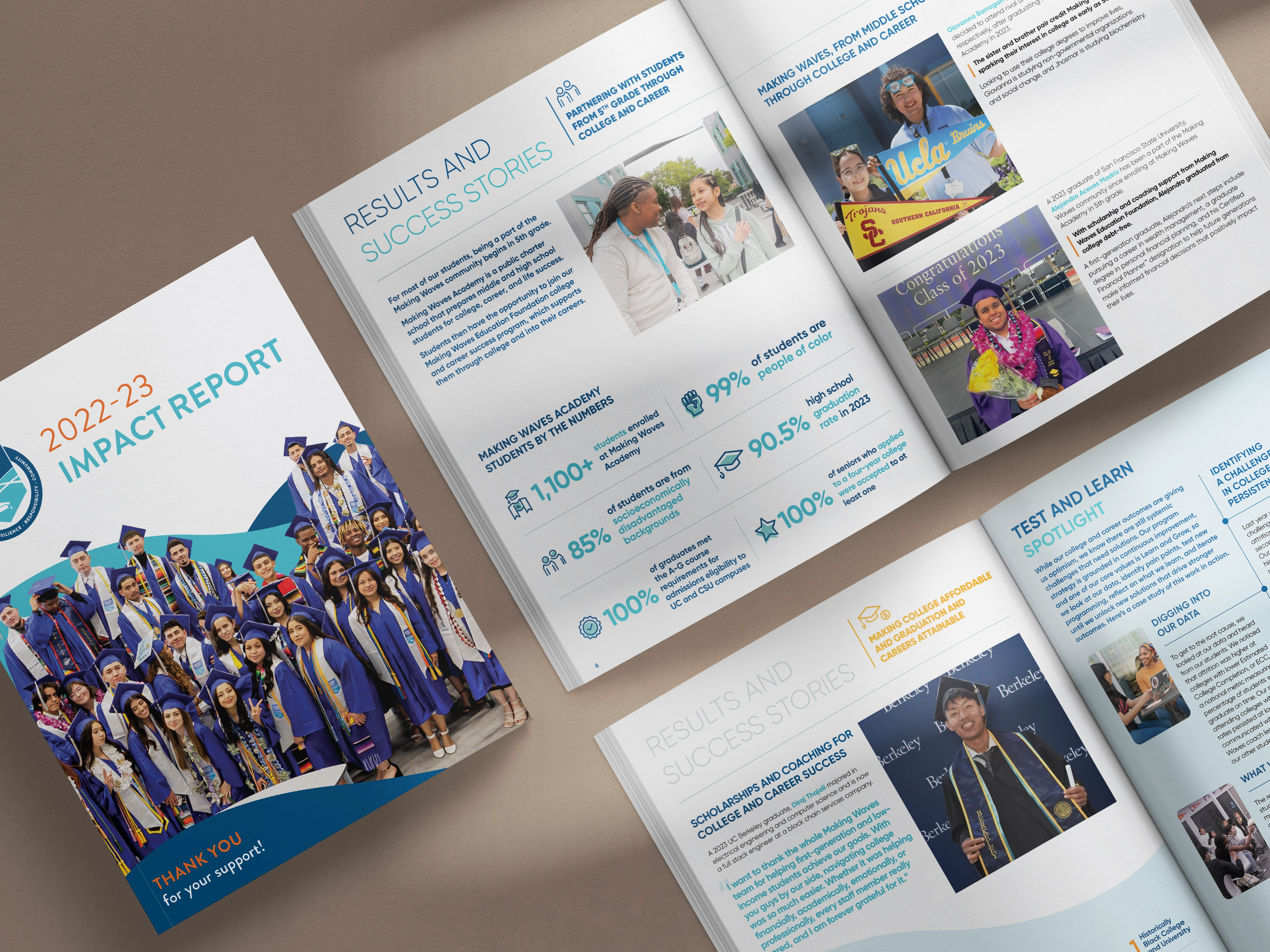
A well-designed annual report can play a key role here. When shared with prospective donors, a thoughtful annual report reinforces your strategy with proof, helping turn initial interest into confident giving.
One of our clients shared that their impact report generated so much buzz that a partner organization reached out asking to work with us directly after seeing it. That's what happens when the materials match the mission.
2. Personalize Outreach and Timing
Generic fundraising appeals are easy to ignore. But when you show potential nonprofit donors that you understand who they are and what they care about, they're more likely to pay attention.
Even small details, such as using a donor's name, can dramatically increase engagement.
And timing matters just as much as personalization. Donors are more inclined to give when your message aligns with a meaningful moment, whether that's a major life event or a time of year when charitable giving is a priority.
Reaching out at the right moment makes your request feel relevant instead of random.
A thoughtfully designed annual report can also support personalized outreach. The impact stories and data it contains can be repurposed across emails, direct mail, social campaigns, ensuring consistent messaging across channels.
That consistency is what makes a donor feel like they're hearing from an organization that has its act together.
3. Tell Compelling Stories That Attract Donors
Numbers and stats are an important part of every fundraising campaign. They're the concrete data that show potential nonprofit donors the progress you're making and the change you're creating.
But while figures are useful and fundamental, storytelling can be far more powerful.
Stories teach lessons, bring people together, help us make sense of our experiences in a way that numbers alone cannot. The right story can turn an uncertain prospect into an enthusiastic supporter.
Compelling nonprofit stories often follow a simple structure.
First, introduce a specific person or community affected by the issue. Then, explain the challenge they faced and why it mattered. And once you've described how your organization stepped in and what changed as a result, you're in the best position to invite the reader to become part of that ongoing transformation.
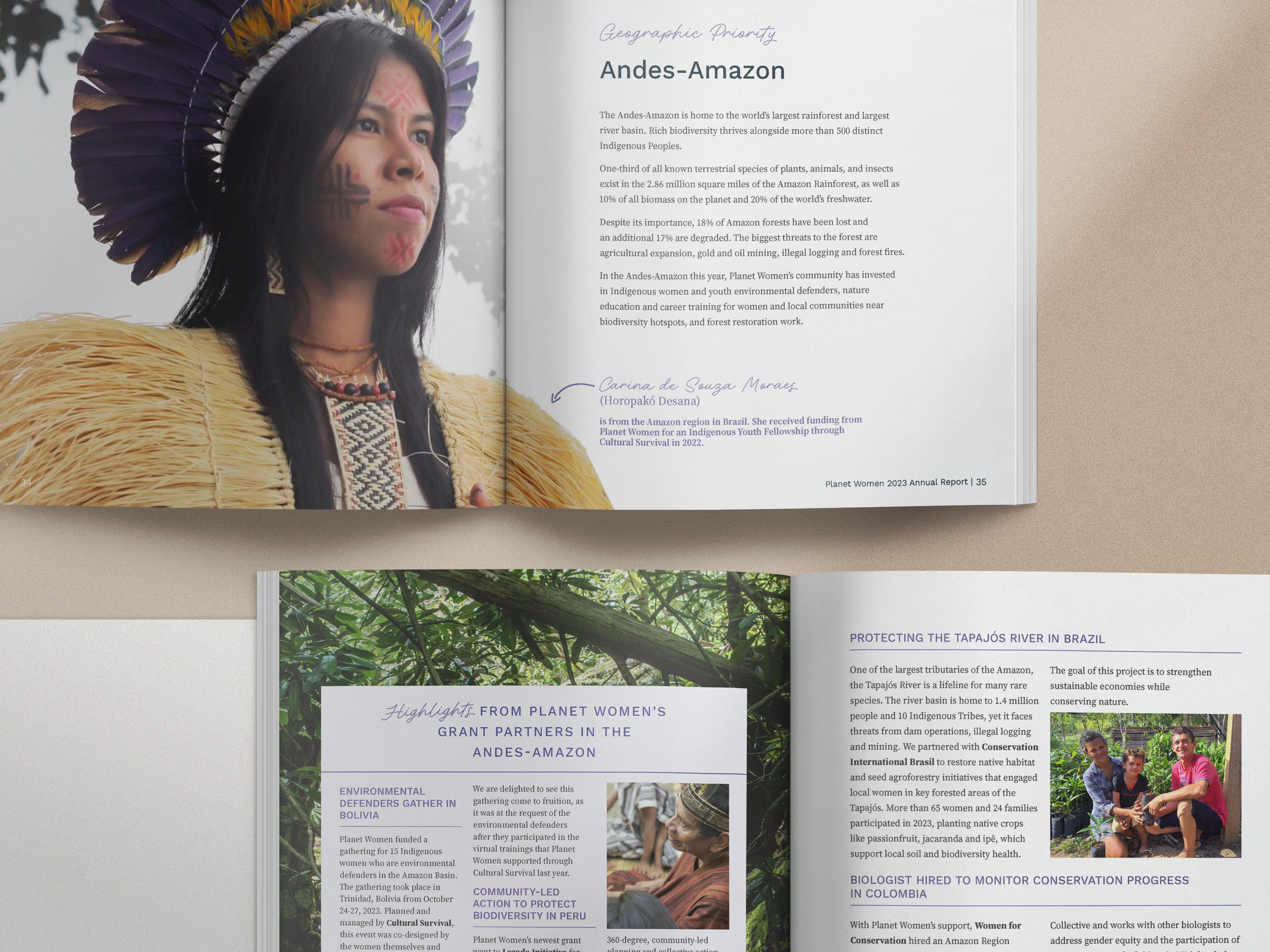
When prospects see a clear before-and-after, they are more likely to feel an emotional connection and become donors for your nonprofit.
This is where design does some of its most important work. A story buried in a wall of text doesn't connect the same way as one given real estate: a full spread, a photo that stops you, a pull quote that makes the impact feel personal.
How you present the story is part of the story.
4. Use Peer-to-Peer Fundraising to Expand Your Reach
When nonprofit teams are stretched thin, peer-to-peer fundraising can rise to the occasion. It allows you to mobilize those who believe in your mission to raise funds on your behalf using customizable pages, email templates, social media graphics.
These campaigns are effective because people are more likely to give when asked by someone they know and trust. For example, a recurring donor might launch a birthday fundraiser, introducing your organization to entirely new eyes.
Instead of relying solely on your existing audience, you empower supporters to share your mission with their loved ones.
And peer-to-peer fundraising doesn't have to be complicated. Simply provide clear instructions or calls to action, compelling messaging, ready-to-share visuals so supporters can advocate confidently and easily.
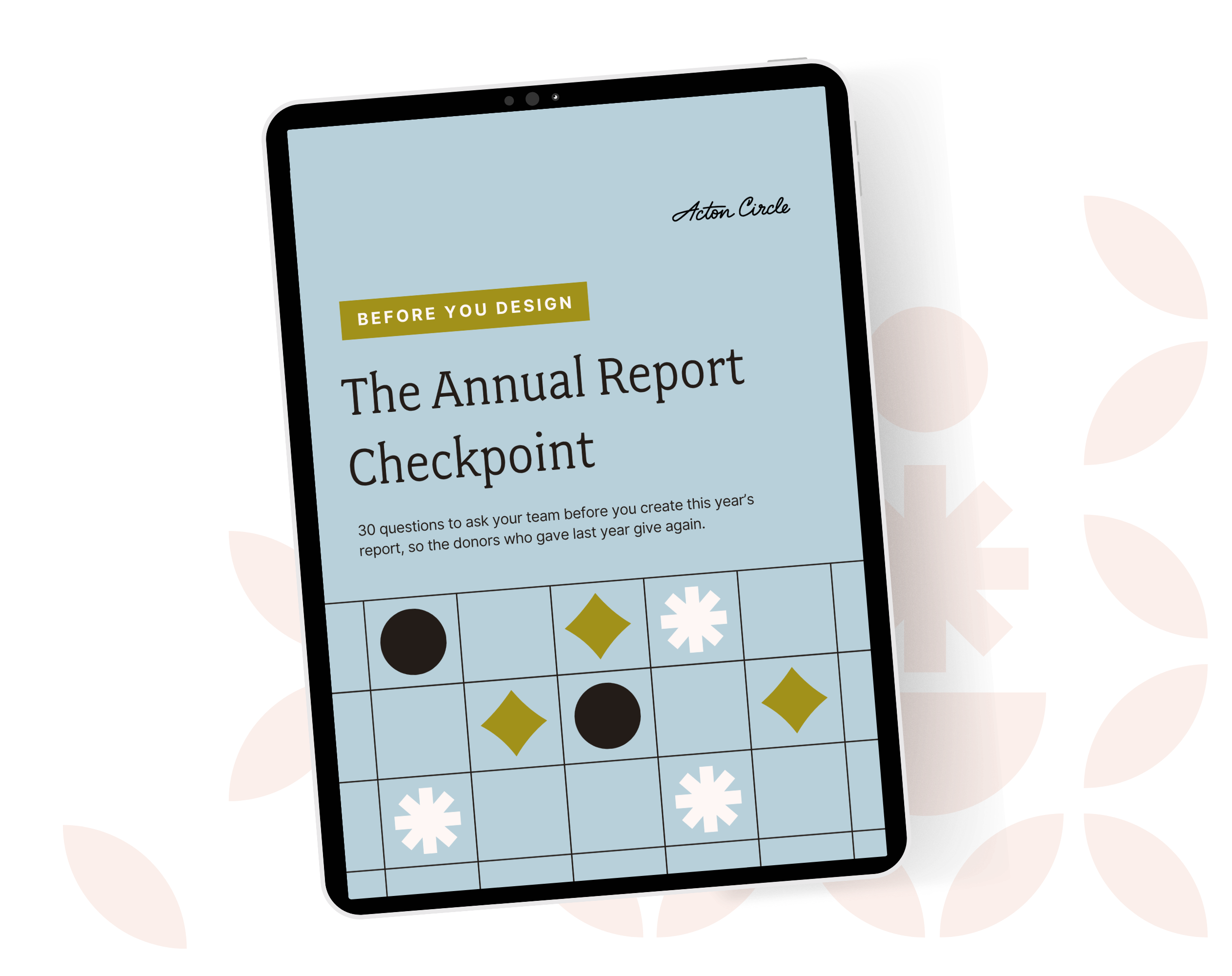
Get The Annual Report Checkpoint

Donor Thank You Postcards Templates
Enter your info and we’ll send the postcards straight to your inbox:
5. Tap Into Technology and Automation to Scale Outreach
Technology and automation can help nonprofits strengthen donor acquisition by providing clearer insight into supporter behavior. With the right systems in place, teams can see which campaigns perform well, keep track of inactive donors, spot growth opportunities without relying on guesswork.
Automation makes personalized outreach scalable. A CRM can segment prospects based on their interests, giving history, online engagement levels. This can allow nonprofit teams to optimize targeted messaging without increasing workload.
Predictive tools can even analyze potential donors' giving patterns involving similar organizations, identifying who is most likely to donate to your nonprofit.
6. Use Your Annual Report as a Donor Acquisition Tool
Annual reports are often created with current donors in mind, but they can also be powerful tools for attracting new supporters. For potential donors who are just getting to know your organization, credibility matters. A thoughtfully designed annual report shows that your nonprofit is transparent, strategic, focused on real impact.
When clear data is paired with strong storytelling, it builds trust.
The marketing director at a national health advocacy organization told us that on the day they released four pieces of health-protective legislation in Congress, they used their Acton Circle-designed report as a major hook in their advocacy efforts. The report wasn't just a supporter tool, it was doing organizational credibility work at a federal level.
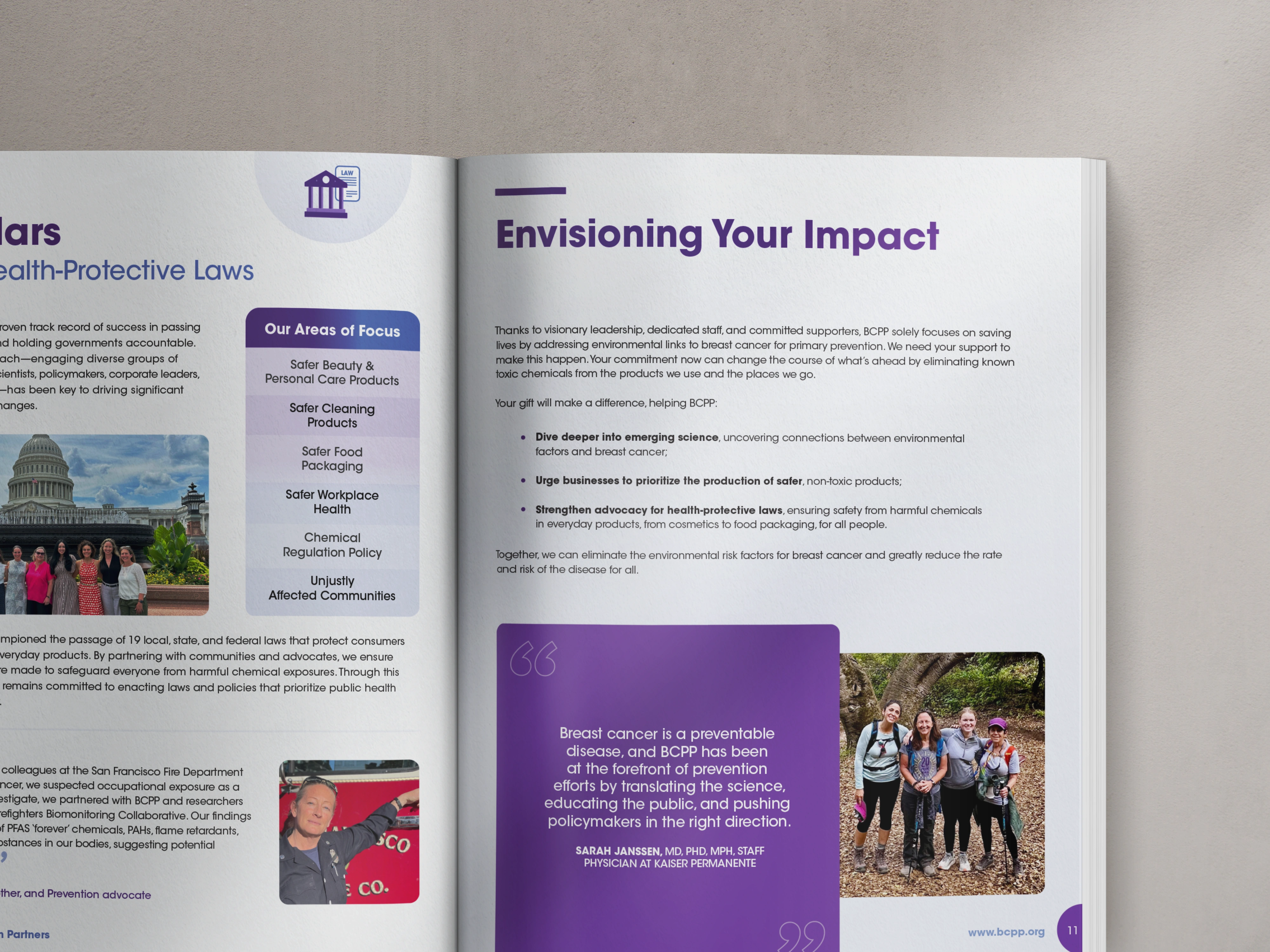
Stats show results, but it's the stories that help readers build an emotional connection to the people and communities you serve. Together, they give prospects confidence that their contributions will make a meaningful difference.
And your annual report doesn't have to sit on a website page collecting dust. Here are just a few ways you can repurpose it:
- Share it with prospective donors after an introductory meeting.
- Link to it in email appeals.
- Highlight key stats in social media campaigns.
- Feature impact stories in outreach materials.
When used intentionally, your annual report becomes proof that your organization delivers on its mission.
Donor acquisition is a challenging part of running a nonprofit, but it doesn't have to be near-impossible. With a clear plan in place and smart strategies such as emotional storytelling and personalized outreach, you'll stop wondering how to find donors and start building the kind of materials that make donors find you.
Want direction for how you can use your annual report as a donor acquistion tool? Learn more about our Annual Report Design Intensive.