Every day, you're doing work that rarely makes headlines but quietly changes lives—keeping families housed, helping students stay on track, supporting survivors, expanding access to care, and strengthening the systems people rely on every day.
But even meaningful, boots-on-the-ground work needs translation.
Donors don't give because a campaign sounds impressive. They give when they understand who the work serves, how it works in practice, and what becomes possible when support is consistent. That's the role of a strong nonprofit case statement.
A clear case for support helps donors see your organization not as one more cause, but as a steady, trusted presence doing work that matters over time.
In this article, we'll walk through how to create a nonprofit case statement that:
- Reflects the real conditions your programs operate within
- Translates impact into donor-ready language
- Makes the role of giving practical and specific
Because when donors understand how your work functions, belief follows.
What Is a Nonprofit Case Statement?
(And why it is more important than most teams realize.)
A nonprofit case statement, also called a case for support or case statement for nonprofit fundraising, is the core narrative that explains why your organization exists, who it serves, and how donor support sustains the work.
A strong nonprofit case statement clearly answers five questions:
- What challenge are people facing right now?
- Why is your organization equipped to address it?
- What progress has already been made?
- How will donations be used in real terms?
- What does continued support protect or make possible?
The most effective case statements balance human experience and grounded outcomes. They help donors understand not just that the work matters, but that it's thoughtful, responsive, and accountable.
This document becomes foundational, used in grant proposals, donor meetings, campaign pages, and annual reports, so everyone is telling the same clear story about the difference you're making.
Understanding Who You're Talking To
Most donors aren't experts in housing policy, education systems, or public health. They're trying to understand how their support fits into work that's often complex and long-term.
Your nonprofit case statement should meet them there.
For example:
- Individual donors want to know how support affects day-to-day realities for people served
- Local partners want to see how your work strengthens stability and access
- Foundations need clarity on outcomes, consistency, and stewardship
When your case statement is specific about who benefits and how, donors don't need to connect the dots themselves. You've already done that work for them.
How to Write a Case Statement for Nonprofit Fundraising
A strong case statement for nonprofit fundraising doesn't feel like a pitch. It feels like a clear explanation of the work, and an invitation to support it.
Start With the Need as It Shows Up
Describe the challenge as it's experienced on the ground. Whether that's families navigating housing insecurity, students falling behind without support, or gaps in access to services, focus on lived reality.
Explain Your Role Clearly
What does your organization do day to day? This might include direct services, coordination across partners, long-term case management, or prevention work. Specificity builds credibility.
Show Evidence of Progress
Pair one person's experience with outcomes that show consistency or scale. This helps donors see both the human impact and the reliability of your work.
Make Giving Concrete
Donors should understand exactly what their support helps cover—staff time, program capacity, materials, follow-up support. Clear use of funds builds confidence.
Connect to Continuity
Help donors see how ongoing support keeps systems working, so people don't fall through gaps when funding cycles end or emergencies pass.
Why Good Design in Essential in a Nonprofit Case Statement
Design plays a quiet but important role in trust.
A dense, cluttered document can make even good work feel disorganized. Thoughtful design does the opposite; it signals care, intention, and accountability.
Effective nonprofit case statement design includes:
- Layouts that respect the reader's time
- Photography that reflects real people and environments
- Clear hierarchy that guides understanding
- Simple visuals that explain outcomes without oversimplifying
- Open space that gives weight to key messages
Nonprofit Case Statement Examples: What Strong Ones Have in Common
When reviewing nonprofit case statement examples, the strongest ones tend to:
- Center the people served, not the organization's accomplishments
- Clearly explain context and constraints
- Show progress over time, not just one moment
- Connect funding to stability, not just growth
Here are a few examples of what that looks like in practice.
An Education Access Organization Showing the Long Game
Some of the strongest nonprofit case statement examples come from organizations working across long timelines, like college access and completion.
Rather than focusing only on scholarships, these case statements:
- Show the full student journey (academic prep, advising, persistence, graduation)
- Pair individual student stories with multi-year outcome data
- Make it clear why consistent funding is what allows the work to continue, not just start
This helps donors understand that progress is the result of sustained support and infrastructure.
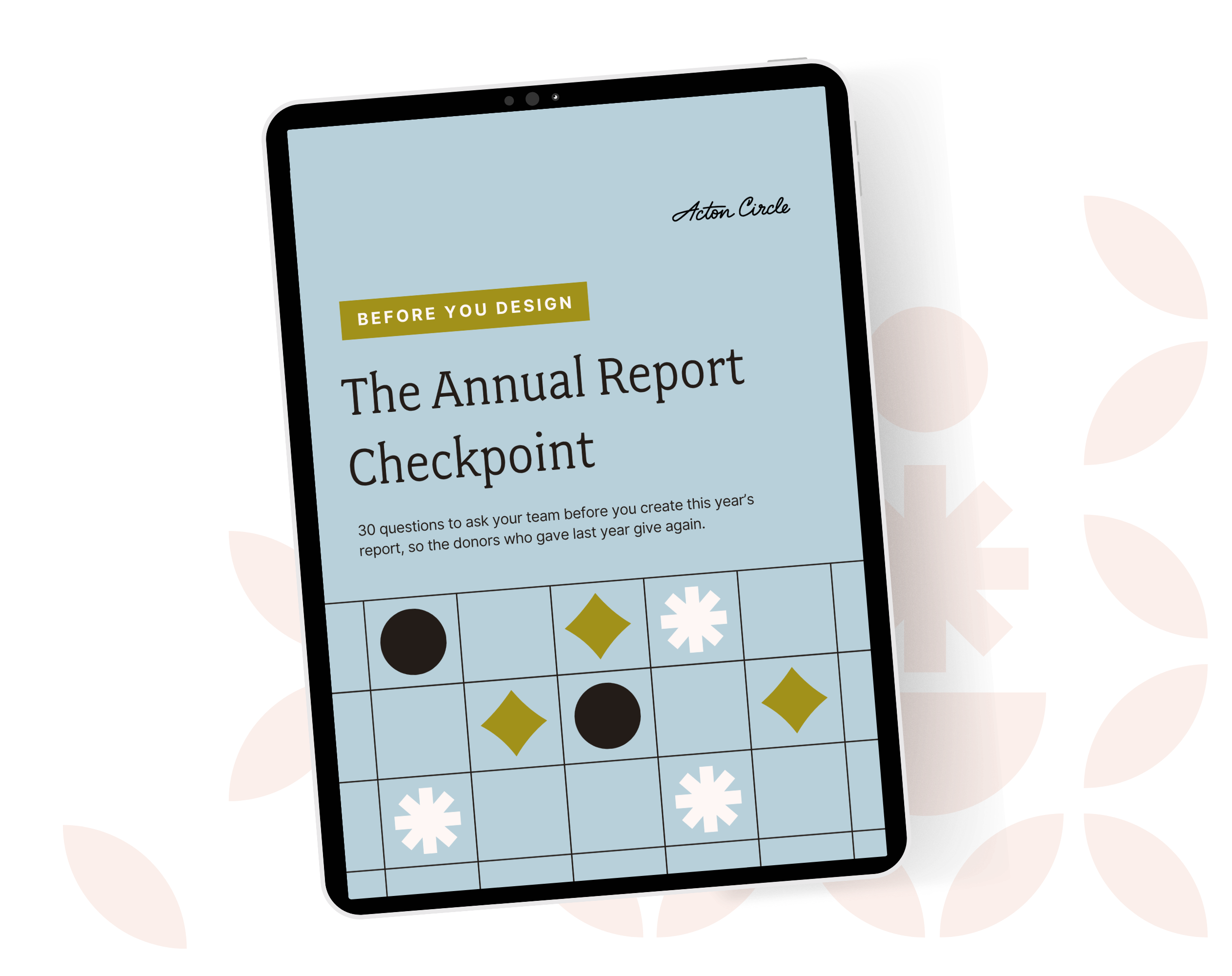
Get The Annual Report Checkpoint
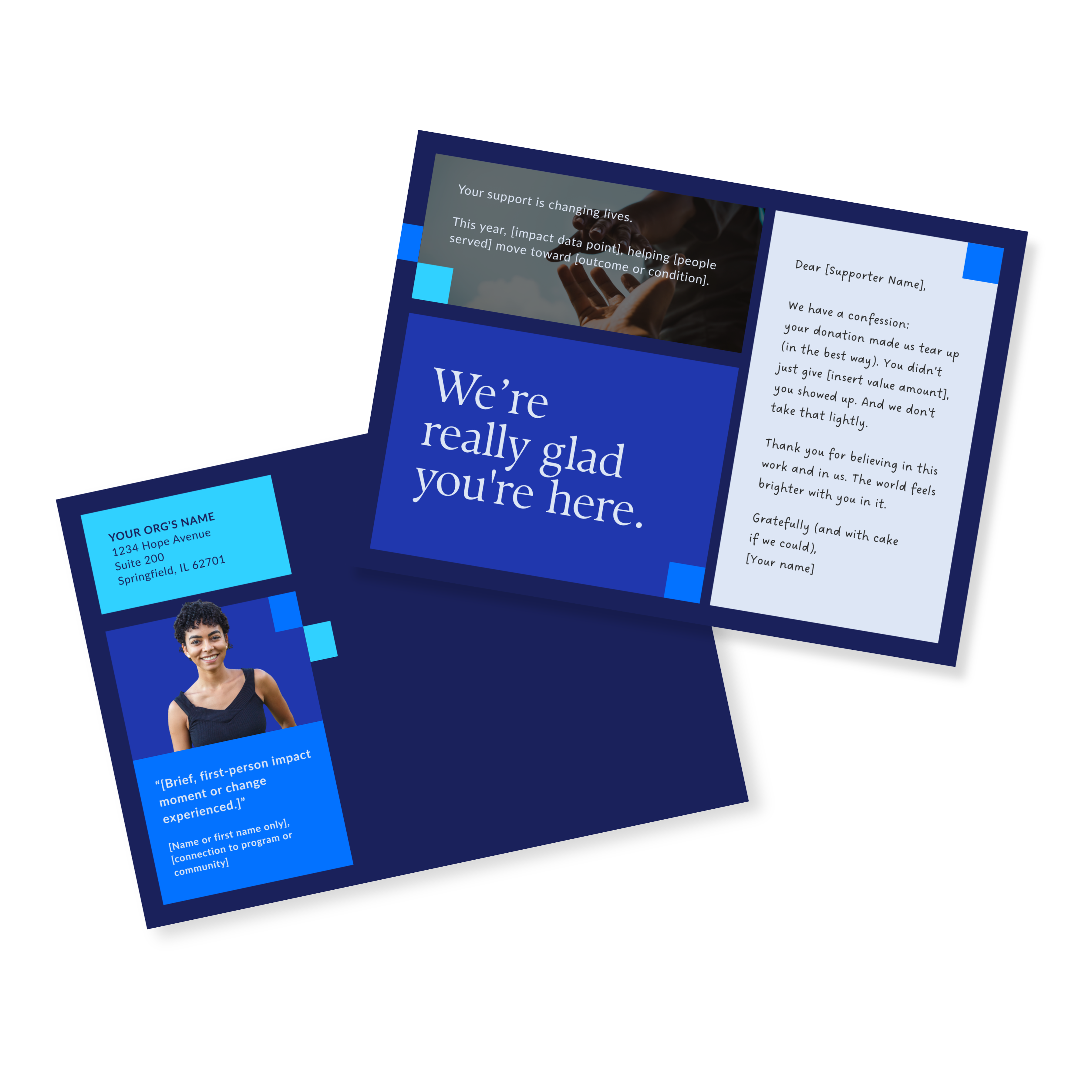
Donor Thank You Postcards Templates
Enter your info and we’ll send the postcards straight to your inbox:
An Advocacy Organization Connecting Policy to People
Advocacy-focused case statements work best when they clearly connect policy wins to everyday life.
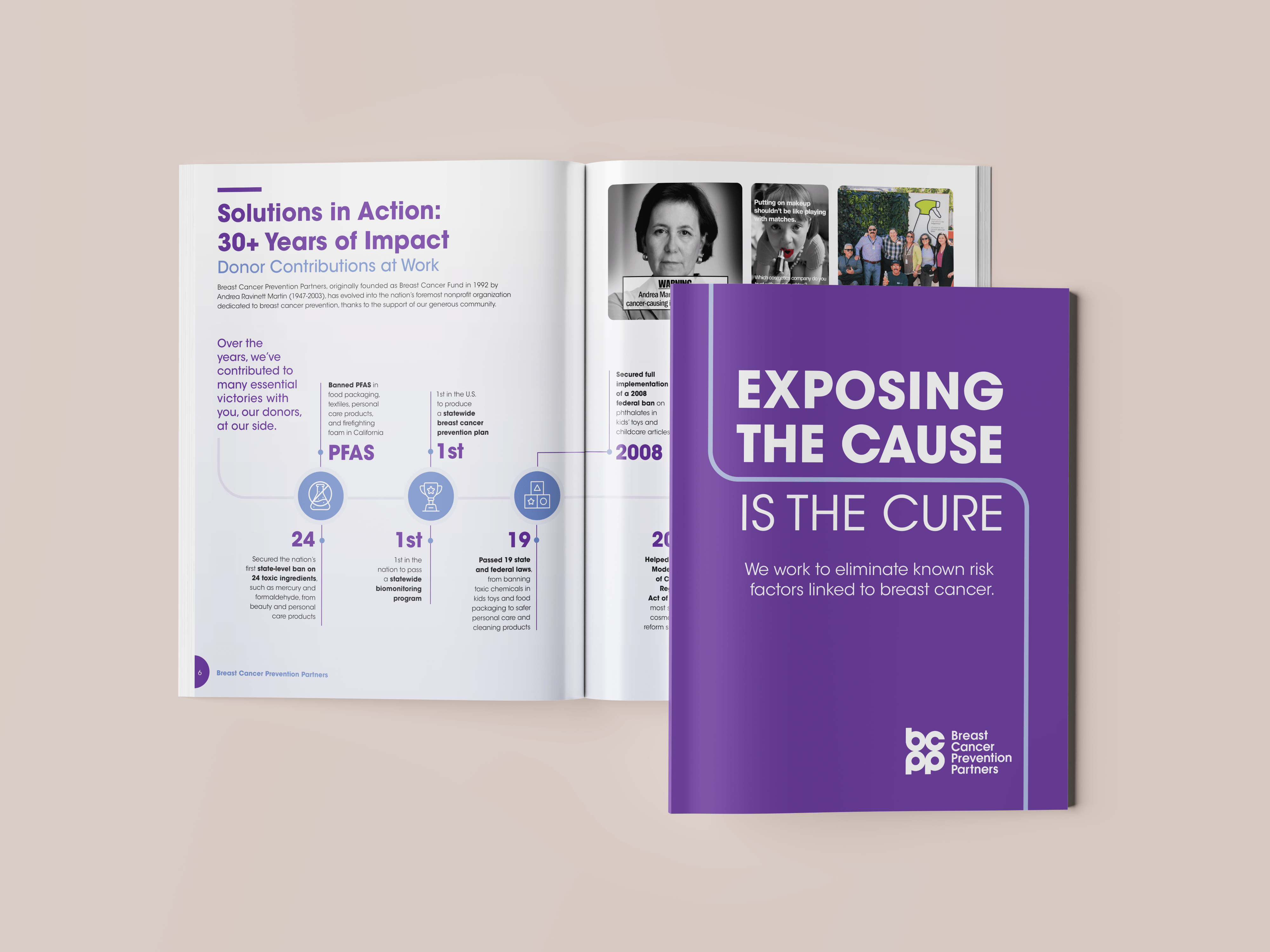
Strong examples in this space:
- Translate legislative or regulatory progress into tangible protections
- Show how donor support fuels research, coalition-building, and long-term change
- Balance urgency with credibility, avoiding alarmist language
Donors walk away understanding not just what changed, but why the work must continue.
A Workforce or Economic Mobility Organization Explaining Systems Change
Organizations focused on economic opportunity often need to explain complex systems without losing donors in the details.
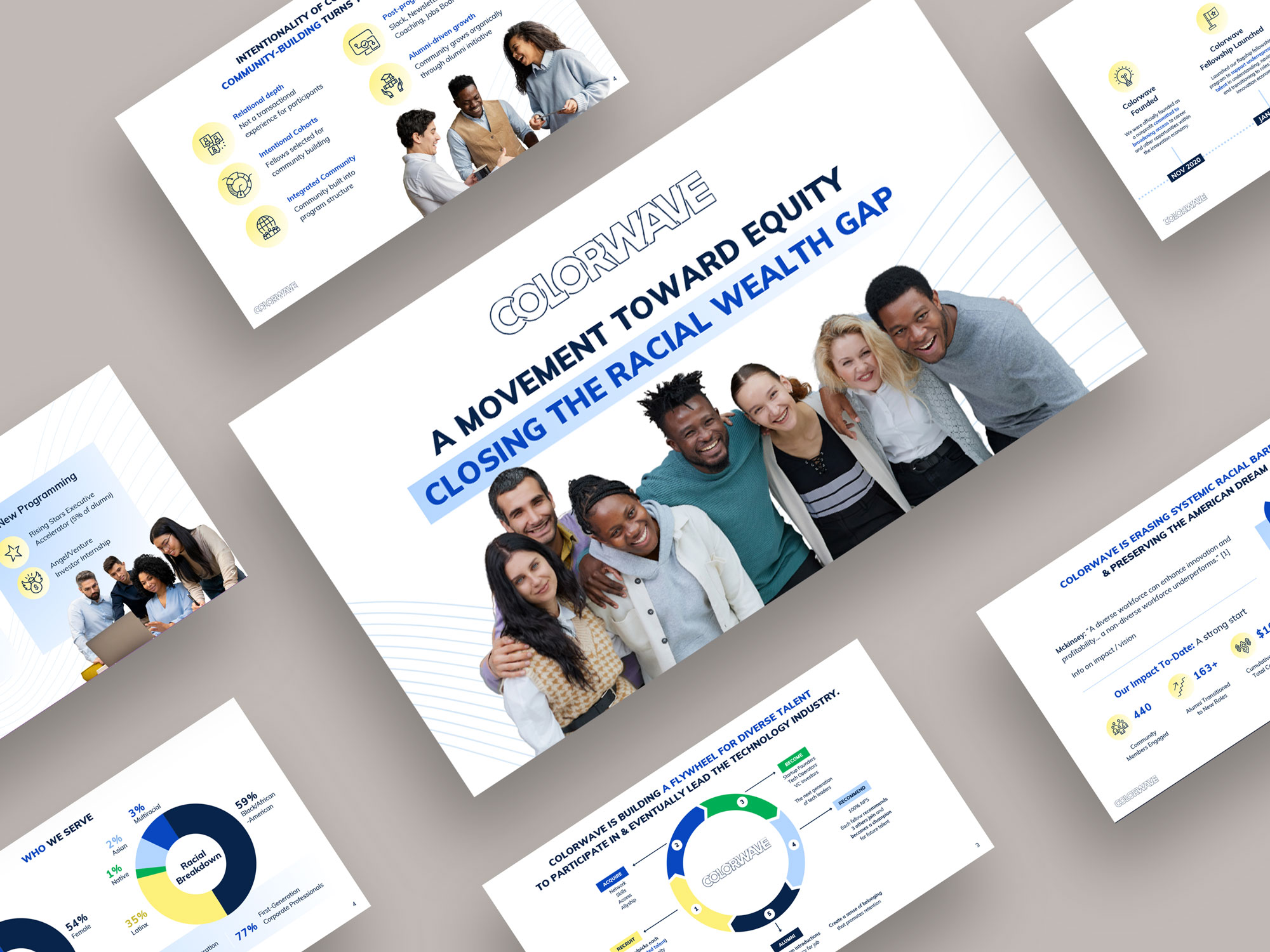
Effective case statements here:
- Clearly explain barriers people face and how programs intervene
- Use visuals to show pathways, not just outcomes
- Connect individual success stories to broader community stability
The best examples make systems feel understandable and solvable.
A College Success Organization Showing Outcomes and What Comes Next
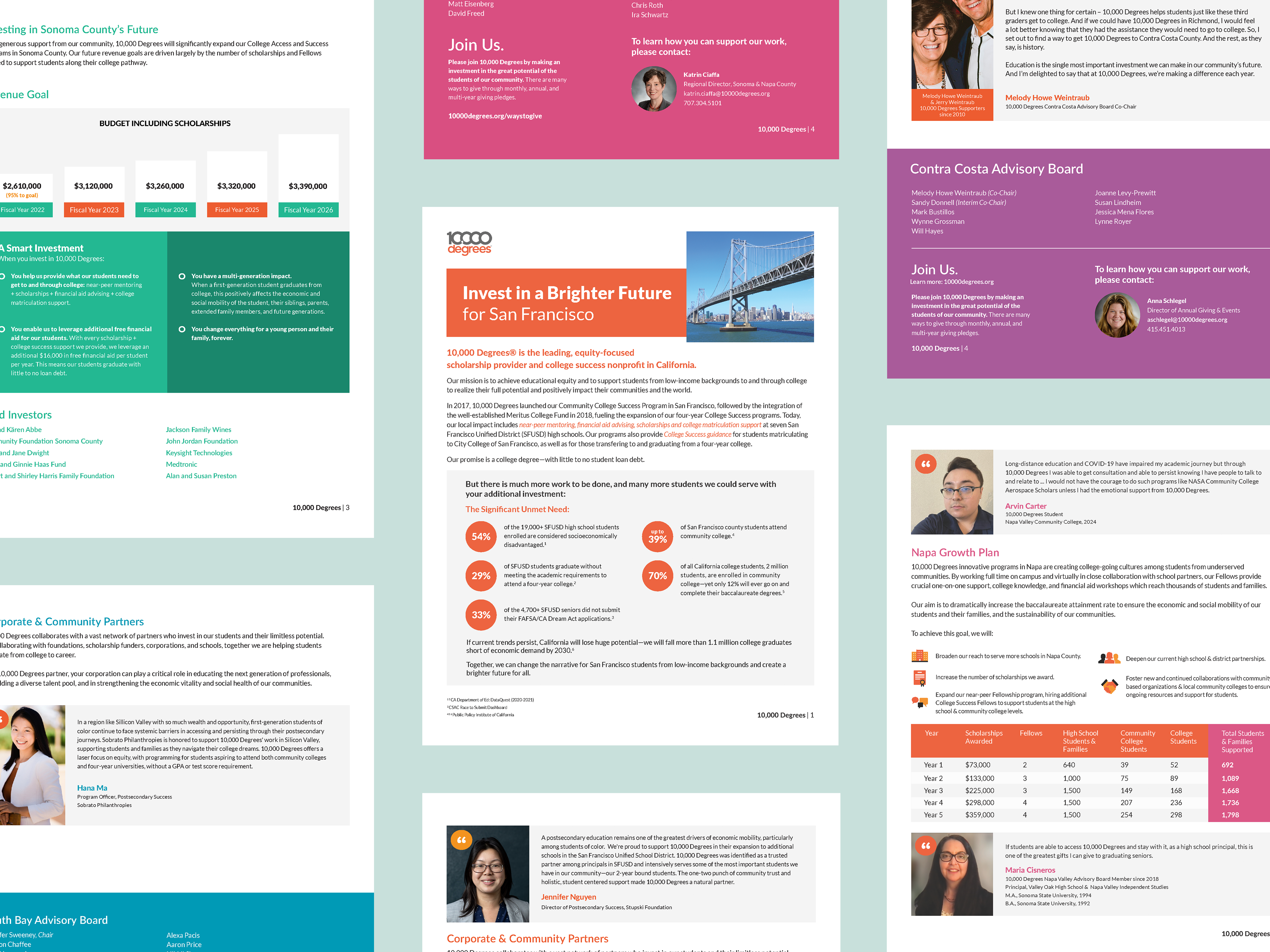
In this example, the case statement balances earned outcomes with a forward-looking expansion plan. Readers can see concrete results—college attendance, graduation rates, and debt reduction—alongside a clear explanation of what additional funding unlocks next.
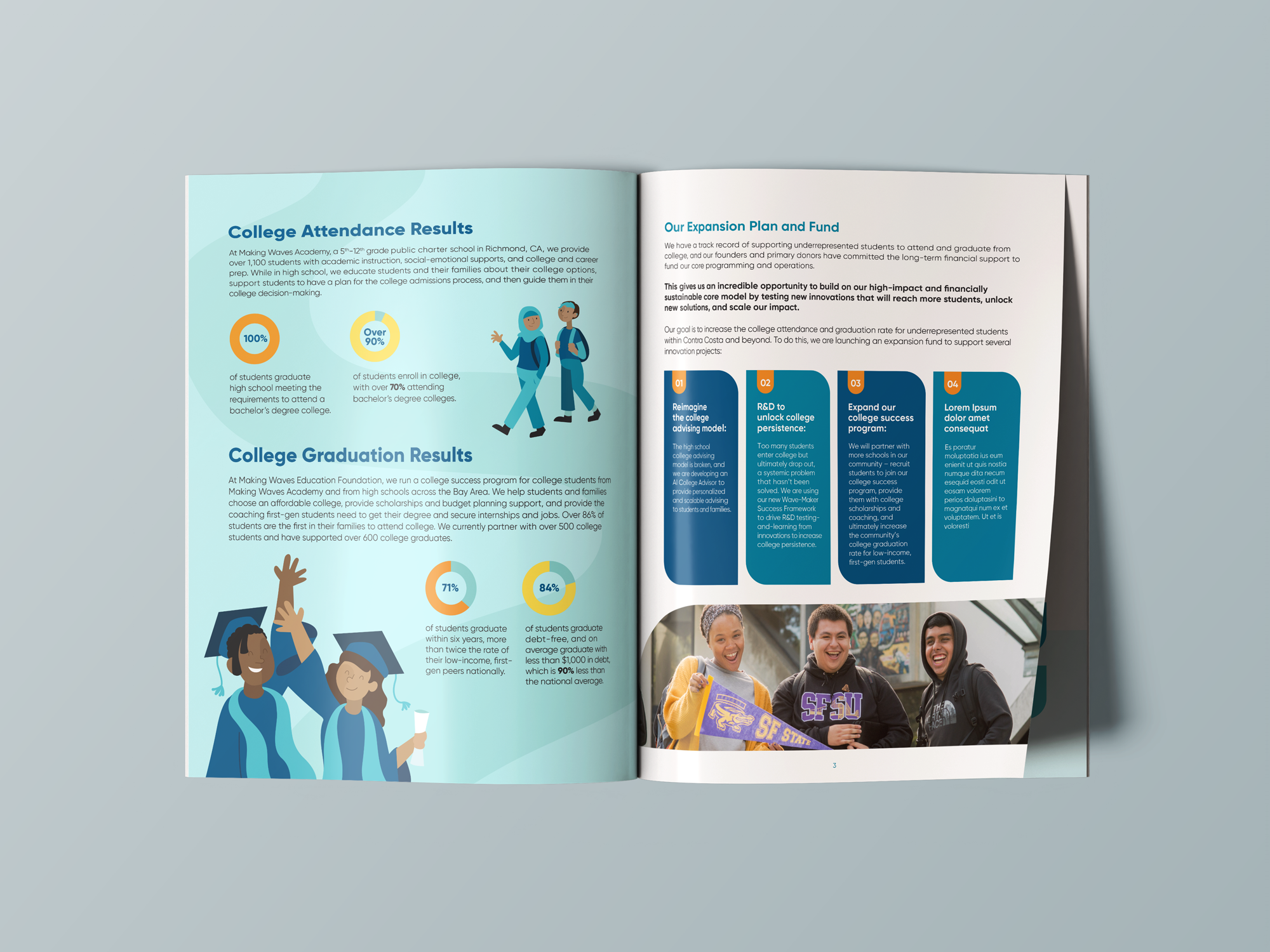
What works especially well here:
- Outcome data is broken down into clear, scannable metrics
- Student success is shown across the full journey, not just enrollment
- Expansion initiatives are framed as improvements to advising, persistence, and long-term support, not vague growth
This kind of case statement helps donors understand both what their past support achieved and why continued investment is necessary to reach more students without compromising quality.
It reinforces trust by showing that growth is intentional, measured, and rooted in what's already working.
What These Nonprofit Case Statement Examples Have in Common
Across sectors, the strongest case statements consistently:
- Center the people impacted, not the organization's accomplishments
- Explain how the work functions, not just what it is
- Show progress over time, not just a single win
- Connect funding to continuity, capacity, and trust
If a case statement looks polished but leaves donors unclear on how support is used or who benefits, it's missing the mark.
A strong nonprofit case statement doesn't try to impress. It helps donors understand their role in the work and believe their support truly moves it forward.
Case Statement FAQs
How long is a case for support?
The case for support documents we've worked on typically range from 2–12 pages. Shorter versions are often condensed into a one-page summary for major donor conversations, while longer versions become the narrative backbone of annual reports, campaign prospectuses, or grant applications.
What is the difference between a prospectus and a case for support?
A case for support explains why your organization's work is so important and how donor support makes it possible. A prospectus is more tactical; it outlines a specific campaign, funding opportunity, or investment ask. In practice, a strong prospectus is usually built from the case for support.
What is the purpose of a case for support?
The purpose of a case for support is to help donors understand the problem, trust the solution, and see their role in sustaining the work.
How to structure a case for support?
A strong case for support typically includes:
- The need or challenge
- Your organization's role and approach
- Evidence of progress or impact
- Clear use of funds
- The long-term outcome donor support helps sustain
A Strong Nonprofit Case Statement Doesn't Live in Isolation
For most organizations, it becomes the backbone of the annual report.
If you're planning an annual report and want it to do more than recap the year, we can help translate your work into a belief-building story donors understand and stand behind.