Snapshot
Audience: Policymakers, donors, and community advocates
Challenge: Dense research that was difficult to translate into public-facing materials
Solution: Advocacy reports, donor tools, and bilingual community resources
Result: Clear, accessible materials that support legislation, outreach, and fundraising
Where They Started
Breast Cancer Prevention Partners had powerful research and policy expertise, but their materials weren’t always built for real-world distribution.
Their communications were being managed by a solo marketing director balancing strategy, production, and day-to-day outreach. There wasn’t extra capacity to turn complex research into polished, public-facing tools.
Reports were dense. Community resources needed to be clearer and easier to print. Donor materials didn’t fully reflect the scale or urgency of their impact.
The work itself was strong. The challenge was translating it into tools people could quickly understand and use.
What Was Getting in the Way
The organization needed design that could:
- Make risk factor content clear, printable, and community-ready
- Create donor materials that inspired action and trust
- Polish technical reports so they could support real policy conversations
- Work across multilingual audiences
- Match the urgency and credibility of their research
The goal was materials that prioritized accessibility and influence.
What We Built
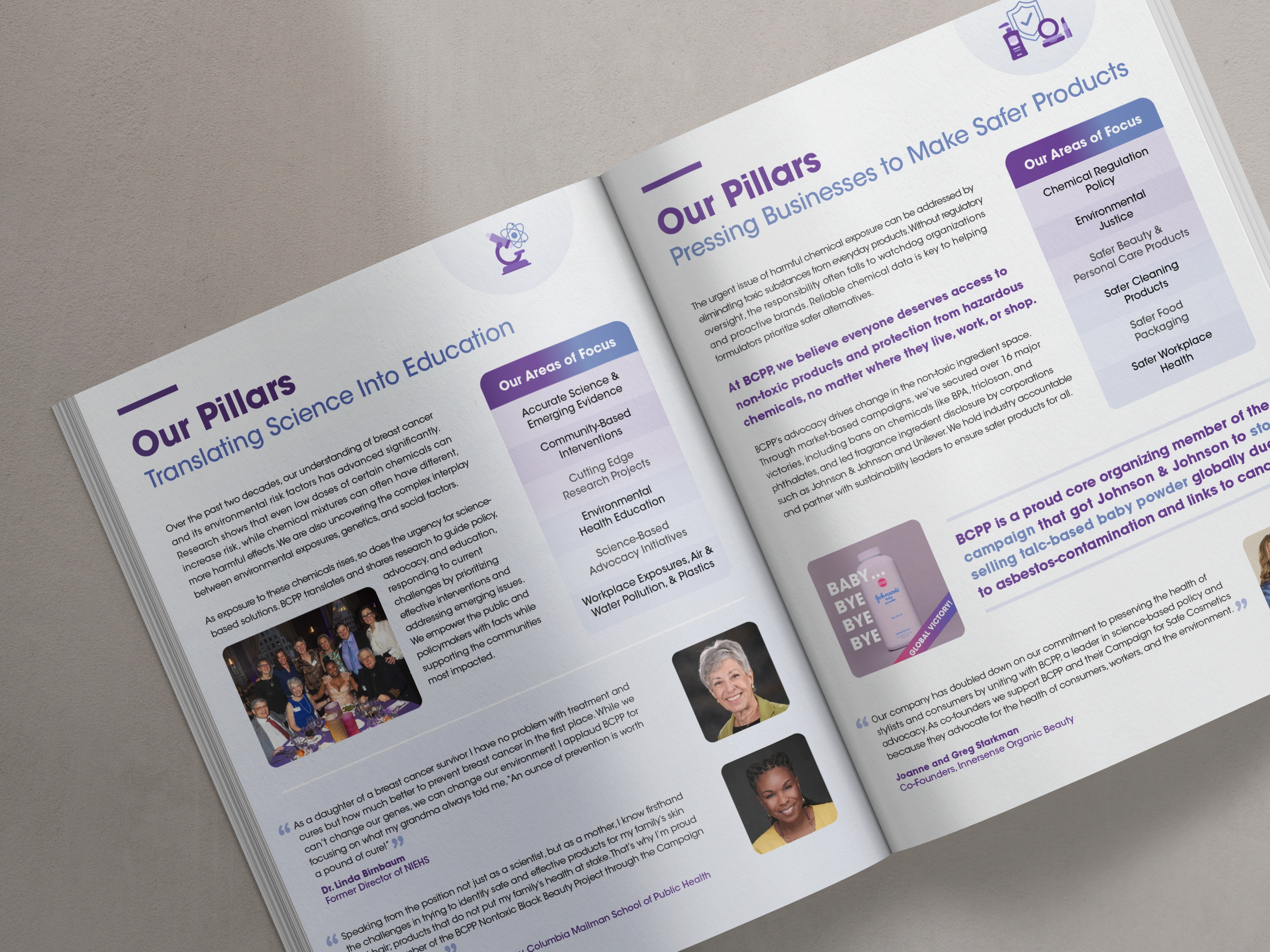
We partnered with Breast Cancer Prevention Partners to create a cohesive visual system across advocacy, community, and fundraising materials.
Key pieces included:
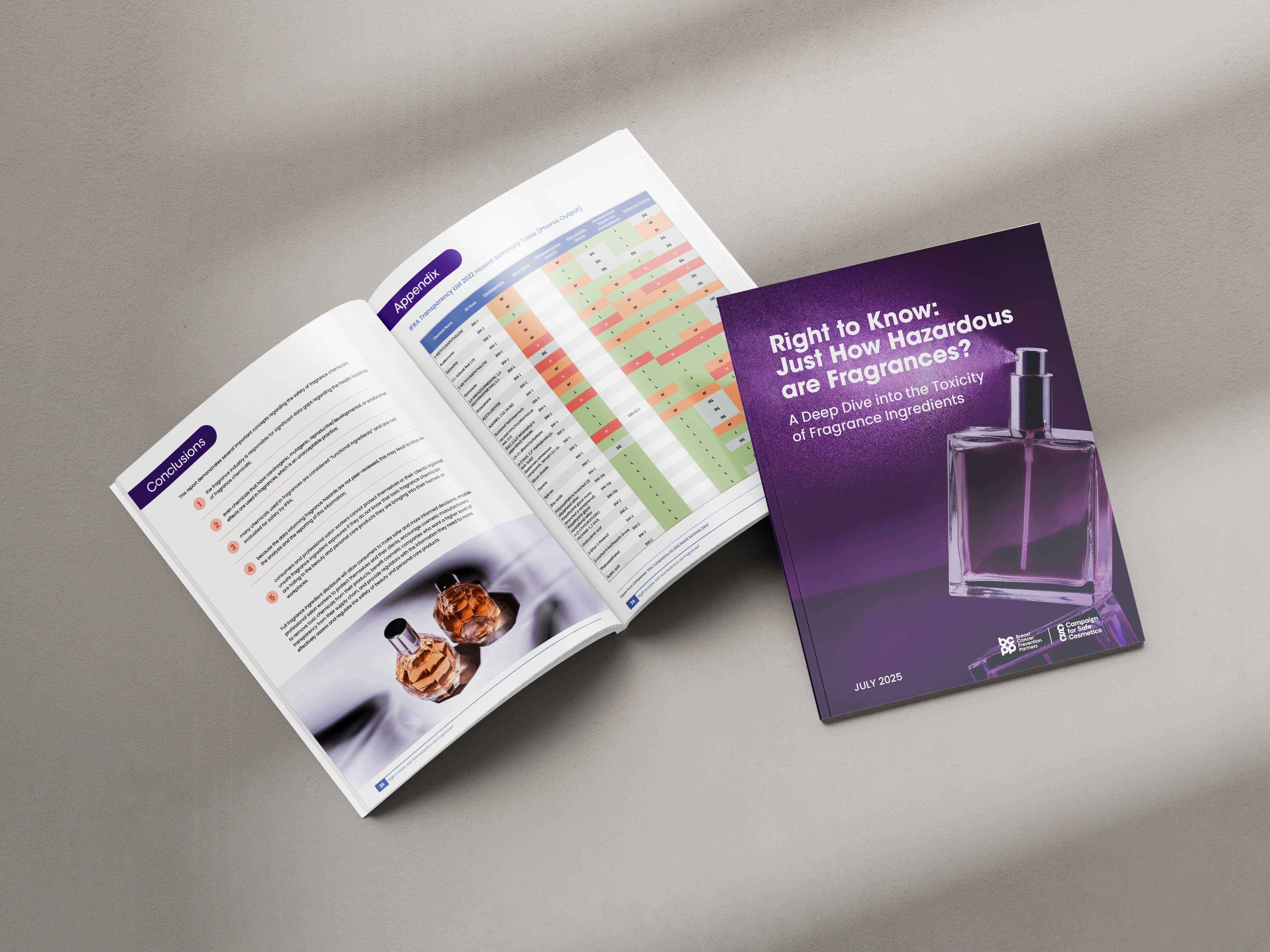
IFRA Report
A polished, policy-ready document on fragrance toxicity used to support four pieces of legislation in Congress.
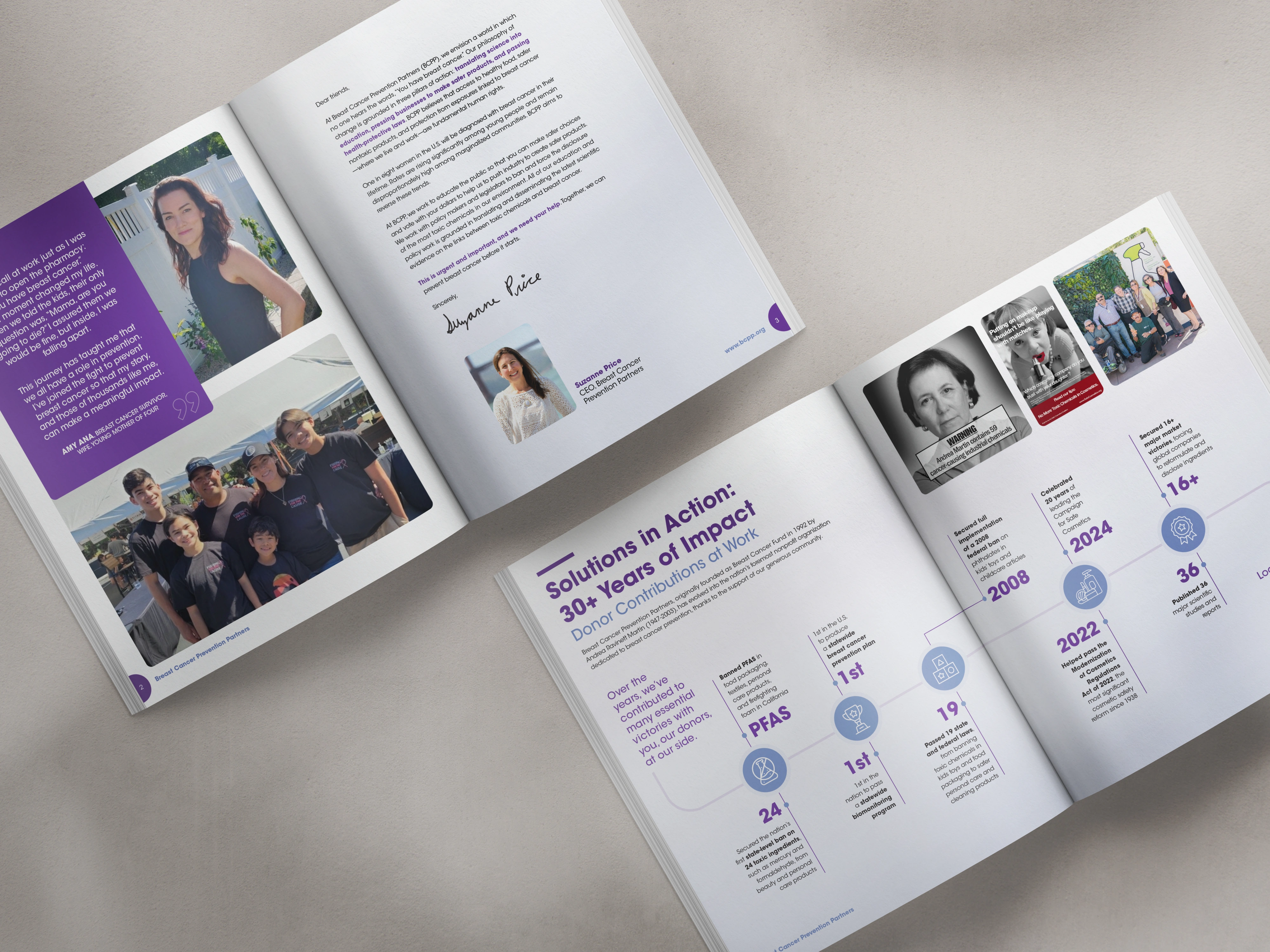
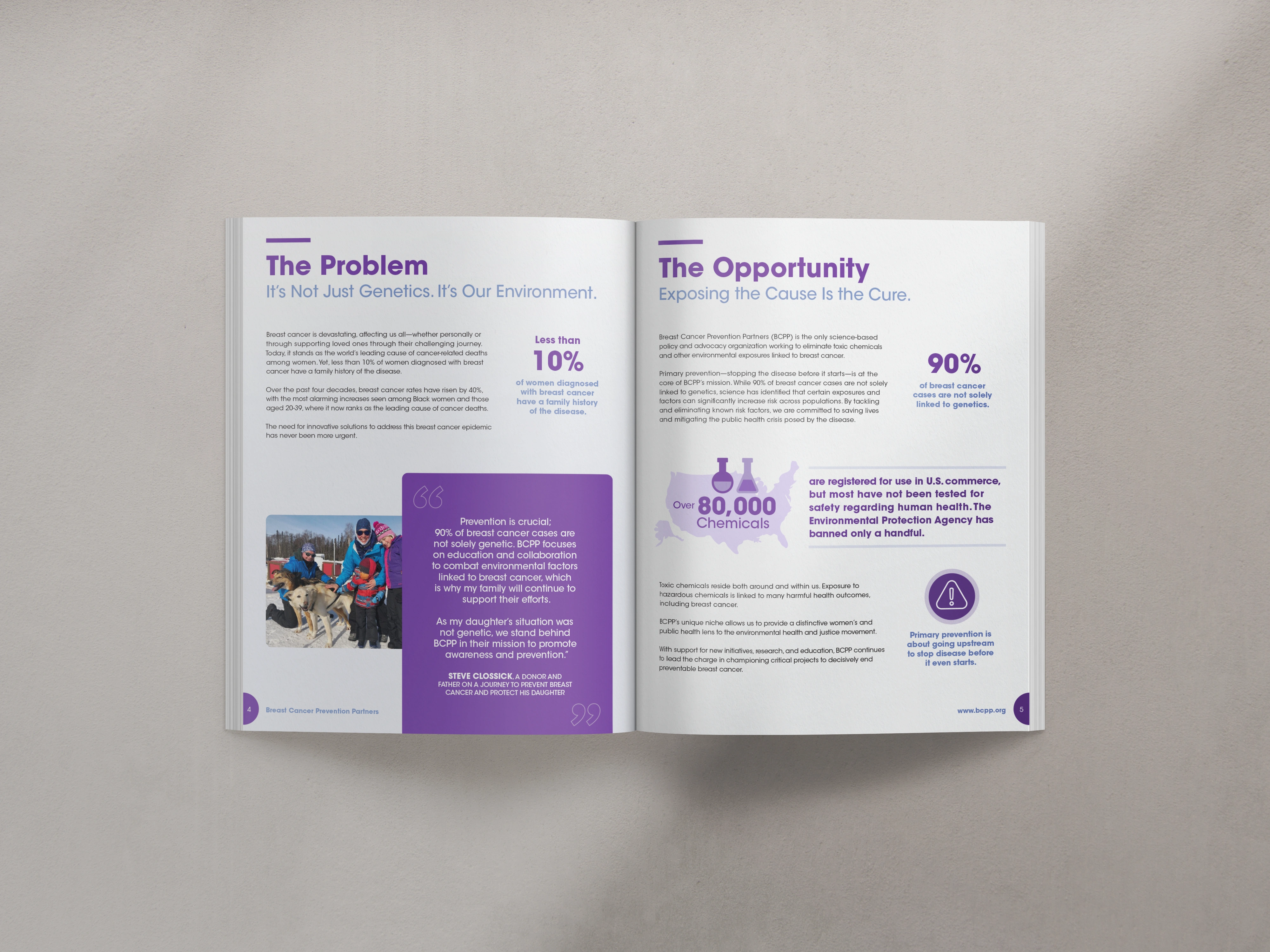
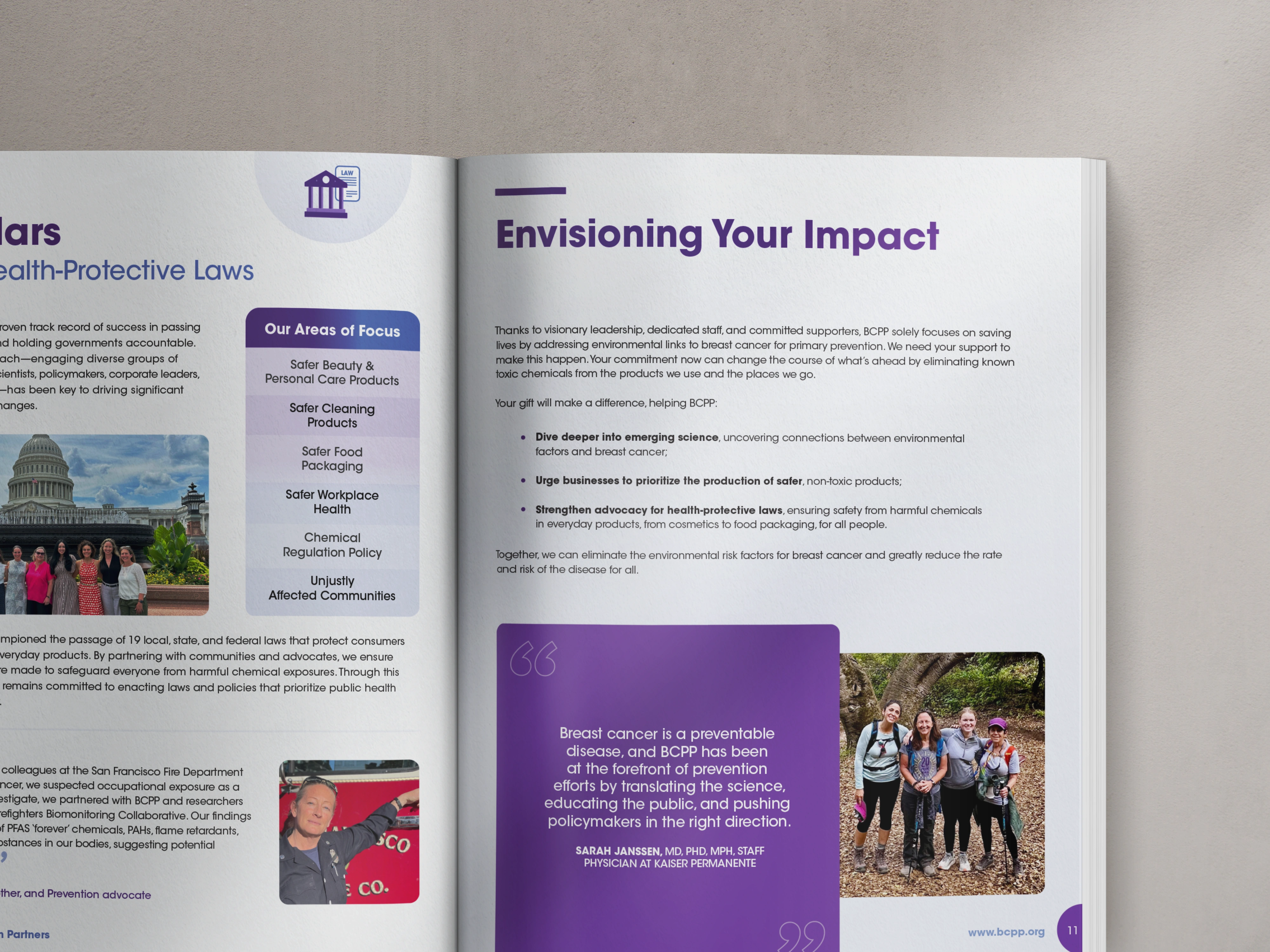
Donor Case Statement
A story-driven PDF balancing data, impact, and calls to action, designed to connect emotionally while staying grounded in research.
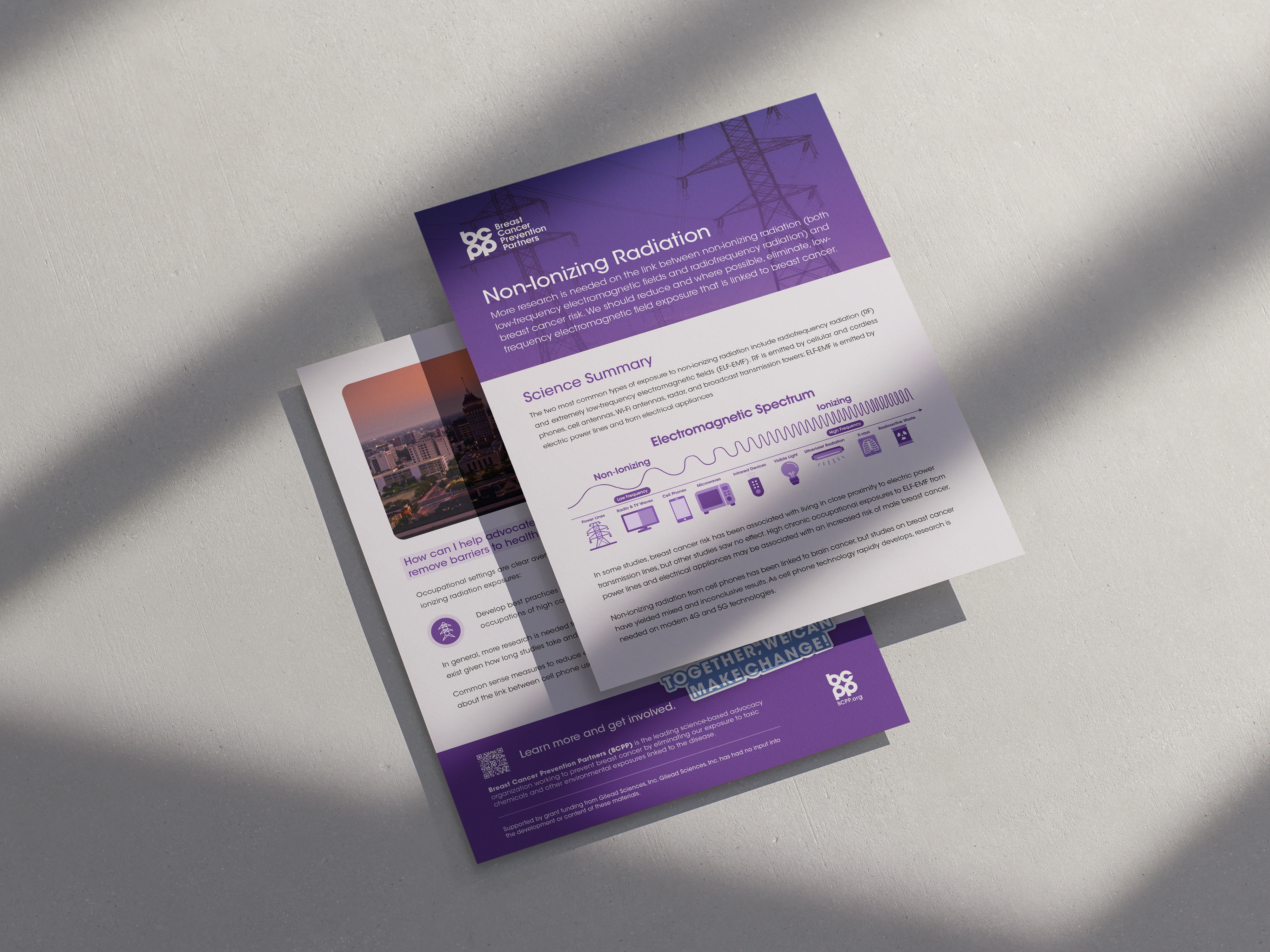
Community One-Pagers
Clear, bilingual resources built for printing, sharing, and real-world use.
Each piece was designed to travel—across meetings, community events, policy discussions, and donor conversations.
What Changed
The materials now match the strength and urgency of the organization’s research.
The difference shows up in how the work is moving:
The Risk Factor Hub, which feature our work together, reached 1,934,797 people in its initial launch in 2025 and generated 220,683 page engagements and growing—dramatically expanding access to prevention education.
The IFRA report helped support four health-protective bills introduced in Congress.
Community audiences now have clearer, multilingual resources they can actually use. Board members feel confident sharing and presenting the work.


.png)