Cohesive Annual Reports Across a Foundation and Its Academy

Written by

Olivia Wheeler

/

Updated

September 19, 2026

If your org has a foundation and a school or a national office and chapters, you already know this headache.

Report separately and donors can't tell how the pieces fit. Report together and each program's real work gets flattened into a summary line.

Making Waves Education Foundation lives right in the middle of that.

One Mission Spanning Two Organizations

Making Waves is a Bay Area nonprofit closing opportunity gaps through academic coaching, financial literacy, and career support, from middle school all the way through college. Making Waves Academy, its charter school, prepares students for higher education and what comes after.

The plan was separate annual reports for each. Each one had to reflect its own programs while still clearly belonging to the same mission and identity.

The essentials were already in place: strong mission, powerful stories, meaningful results. The challenge was shaping all of it into a system donors and families could connect to immediately.

And the work sat with a small internal team, led by a VP of Marketing and Storytelling responsible for communications across BOTH organizations. Multi-report publications of that scale, on top of campaigns, events, and student-facing comms, is not a capacity question anyone wins.

They needed a partner who could absorb the complexity fast and move without adding friction.
Four Reports Over Two Years

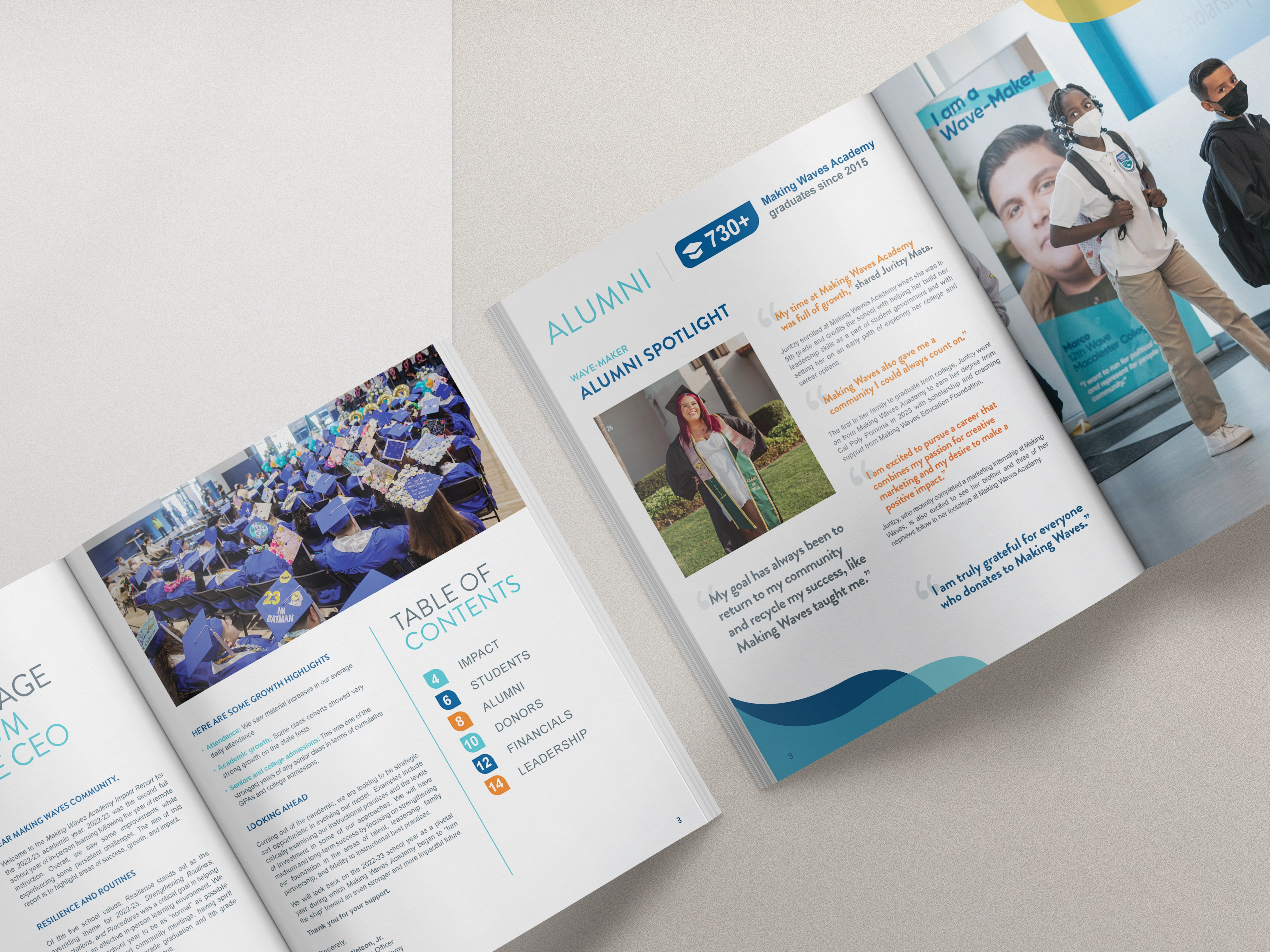
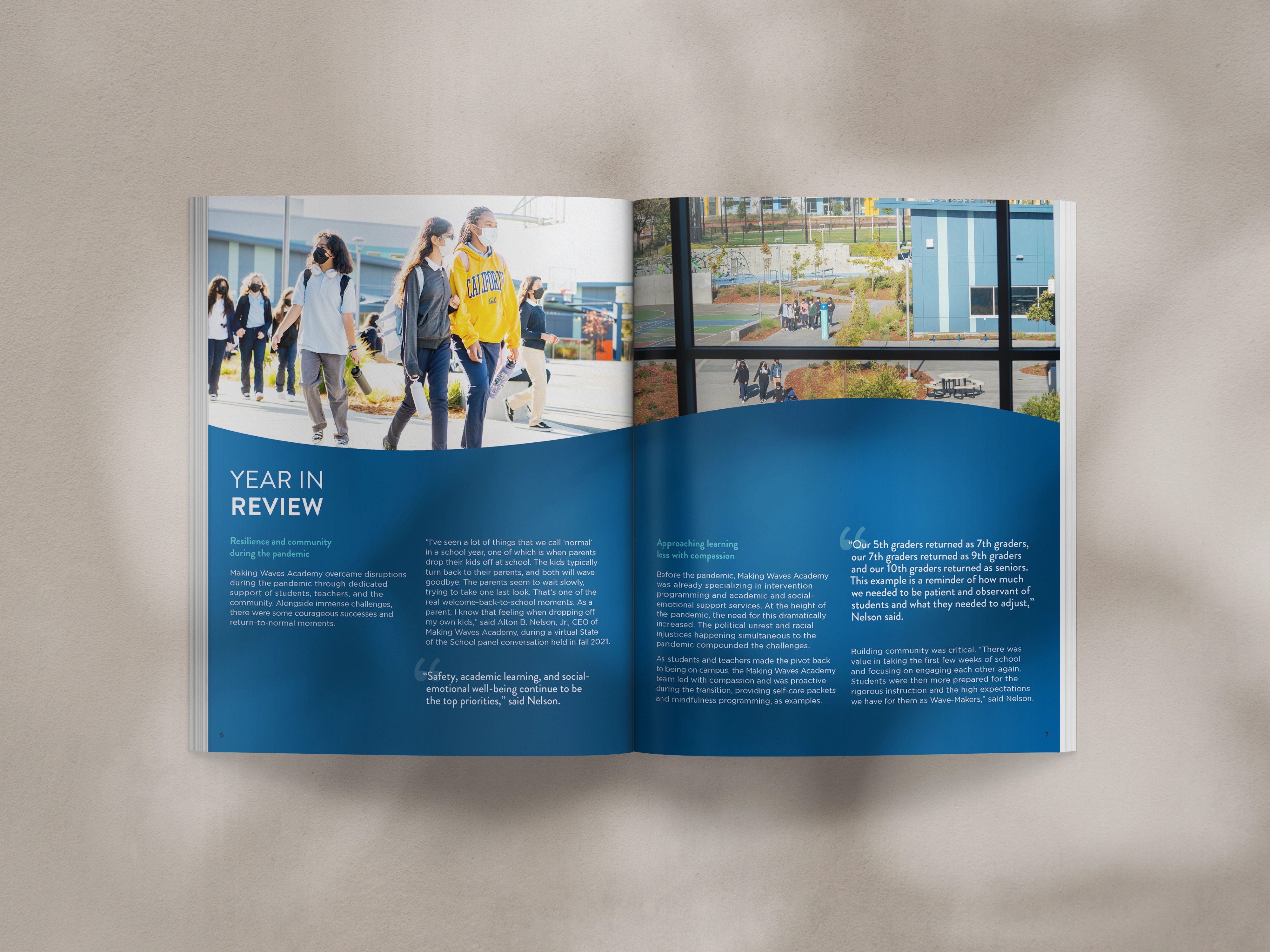
We designed four consecutive annual reports, sharpening the storytelling and the visuals each round.

  • Story-forward reports that elevate student voices and make each organization's role in long-term success clear
  • Impact data visualization so donors can read outcomes across programs without a decoder ring
  • Student-centered layouts that keep lived experience at the center instead of in a sidebar
  • A mission-aligned visual identity shared across the Foundation and the Academy
  • Print and digital flexibility, because both still matter
  • Social and email assets to extend the report past launch week
  • A repurposed donor one-pager for fundraising conversations

The multi-year part matters more than it sounds. Year one you build the system. Year two you get to improve it instead of rebuilding it.
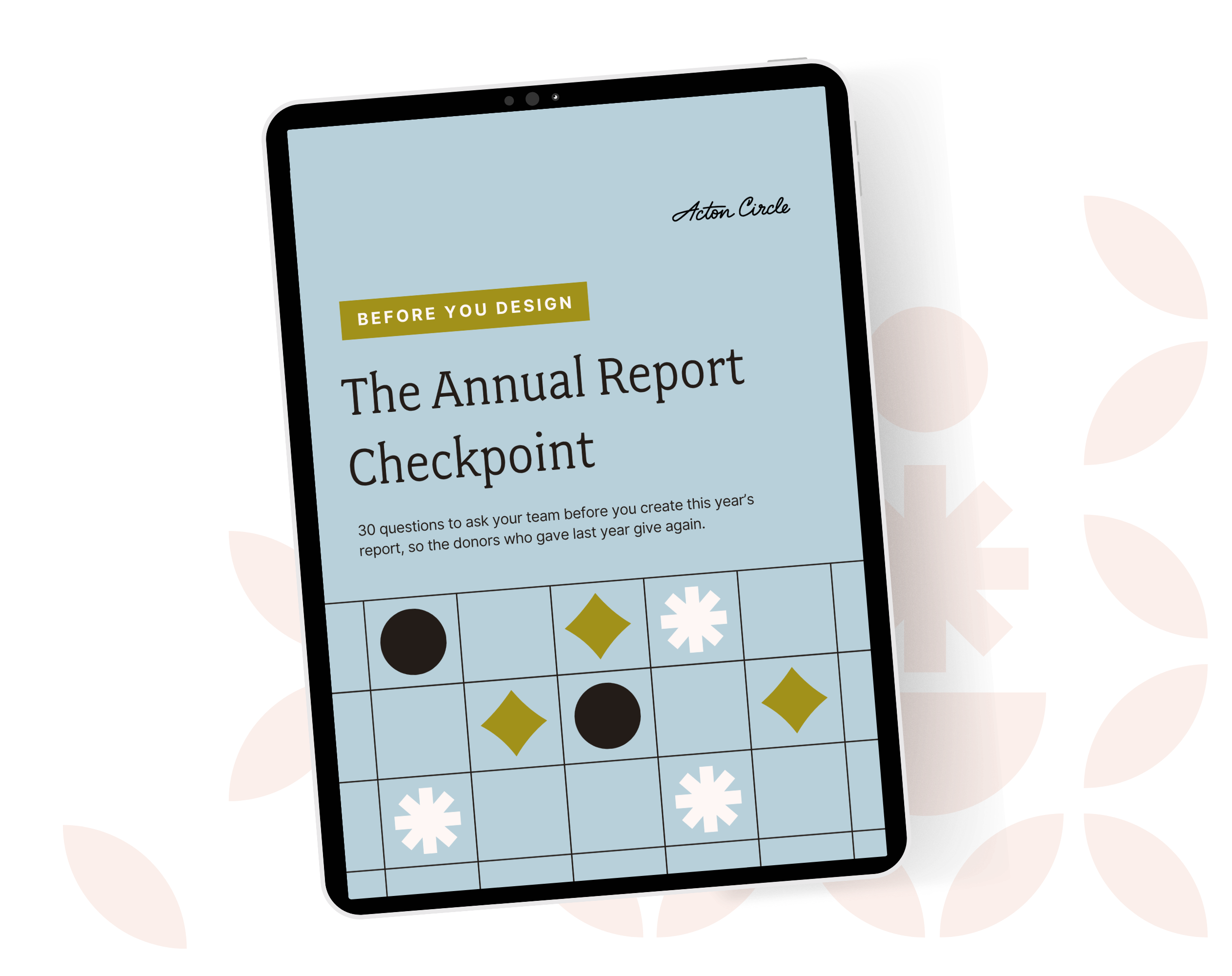
Ipad on a green floral background displaying an image of a blue, patterned PDF

Get The Annual Report Checkpoint

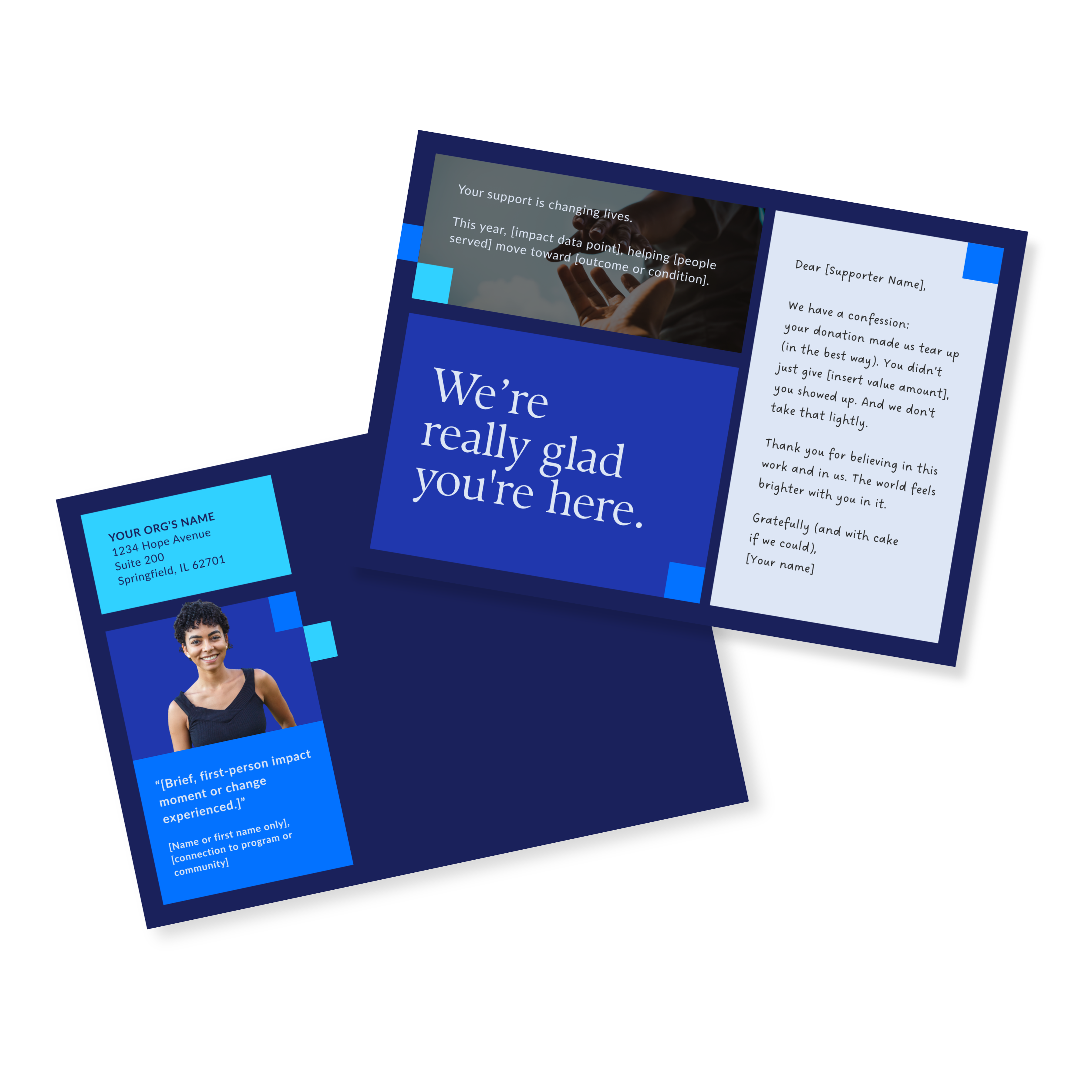
Donor Thank You Postcards Templates

Enter your info and we’ll send the postcards straight to your inbox:

What the VP of Marketing and Storytelling Said

"I've had the opportunity to work with Olivia on a variety of design projects - from murals to impact reports to digital ads with lots in between. Olivia takes the time to really understand our nonprofit organization's mission as well as the goal, audience, and style for each project. In addition to being a very talented, thoughtful, and creative designer, she has strong organization and communication skills. I have really enjoyed collaborating with Olivia over the years and would highly recommend working with her if you have the opportunity!"

- Bonnie S., VP of Marketing and Storytelling, Making Waves Education Foundation
A Platform Instead of a Deliverable

Annual reporting became a consistent storytelling platform rather than a thing that happens to the team every fall.

Donors see clearer outcomes. Students and families see themselves on the page. Internal teams have materials they're proud to send.

And the two organizations now share a visual language that connects them while still honoring their distinct roles. A supporter can hold both reports and understand the relationship without anyone explaining it.

If your org spans multiple entities, that's the standard to aim for: different reports, one unmistakable family resemblance.

Reporting Across More Than One Entity?

Two reports that feel like one mission takes a system, not twice the work.

If that's your situation, book a call and let's map it.

See the full project in our portfolio: Making Waves Education Foundation.

👋🏽 Hi, I'm Krista Reyes

I'm a writer and editor with almost a decade of professional experience. I spent most of my formative years working with local and international nonprofits, channeling my passion for worthy causes into written works with depth, value, and intention.

If I'm not working, you'll find me reading books, watching movies, playing chess, or bonding with my four dogs.

👋🏽 Hi, I'm Olivia Wheeler

I'm a creative leader with high standards for nonprofit storytelling. I work between homeschooling and gym sessions, obsess over typography, and believe your annual report should make supporters feel your mission in their bones.

I help nonprofits connect with new audiences and look like the org they're becoming, not the ones they were five years ago.

The stuff you’re wondering, answered straight

Why only 1 in 4 donor ever gives again

Your annual report is a stewardship and retention tool waiting to be used.

Most orgs treat it like a formality. Design it, ship it, forget it. Then wonder why the same donors don't show up again next year.

Donors leave because nobody showed them their gift mattered after they gave it.

First-time donors are THE MOST fragile group you have. One good report = a second gift.

We wrote about exactly how to use your annual report as a stewardship tool, not just a recap: Your Annual Report Is a Stewardship Tool. Here's How to Actually Use It That Way.

Why only 1 in 4 donor ever gives again

Great work along does not raise money

Programs don't fund themselves. Understood value does.

You can run the best program in your sector and still lose funding, because funders and donors don't fund what you did. They fund what they understood.

Most impact sections list activities. Meals served, kids reached, hours logged. None of that tells anyone what changed.

The gap isn't your work. It's the translation between your work and what the reader actually feels reading about it.

I broke this down here: How to Measure Your Nonprofit's Impact (And Make Sure It's Felt)

Great work along does not raise money

Where donors stop reading

Donors give you a few seconds before they decide if your report is worth their time.

Dense pages, no hierarchy, and nothing to pull the eye to what matters don't help.

I wrote about what actually earns attention in that window here: Annual Report Layout: Tips for a Report Donors Will Read

Where donors stop reading

A faster way to build your report

So you're doing your annual report solo again this year, huh? Same deal as last time: last year's PDF open in one tab so you can copy the bones, and a blank Canva doc that doesn't carry a single thing over.

A template is the thing that should've existed the first time you did this solo.

Here's a better approach to your report if you're handling it in-house: The Faster Way to a Beautiful Annual Report

A faster way to build your report

What you're not pulling from your own report

Your annual report is the most content-rich thing your org makes all year. And then it just sits on your website.

Real stories, real numbers, real proof your mission works, all sitting in one PDF that gets opened once and forgotten.

That same content could be twelve LinkedIn posts, three newsletter sends, a case study, a slide for your next pitch deck. Every one of those keeps your mission in front of donors between asks, not just during them.

More on how to make your report work past launch day: Simple and Flexible Annual Report Ideas for Busy Nonprofits

What you're not pulling from your own report

Explore more articles

Client Case Studies
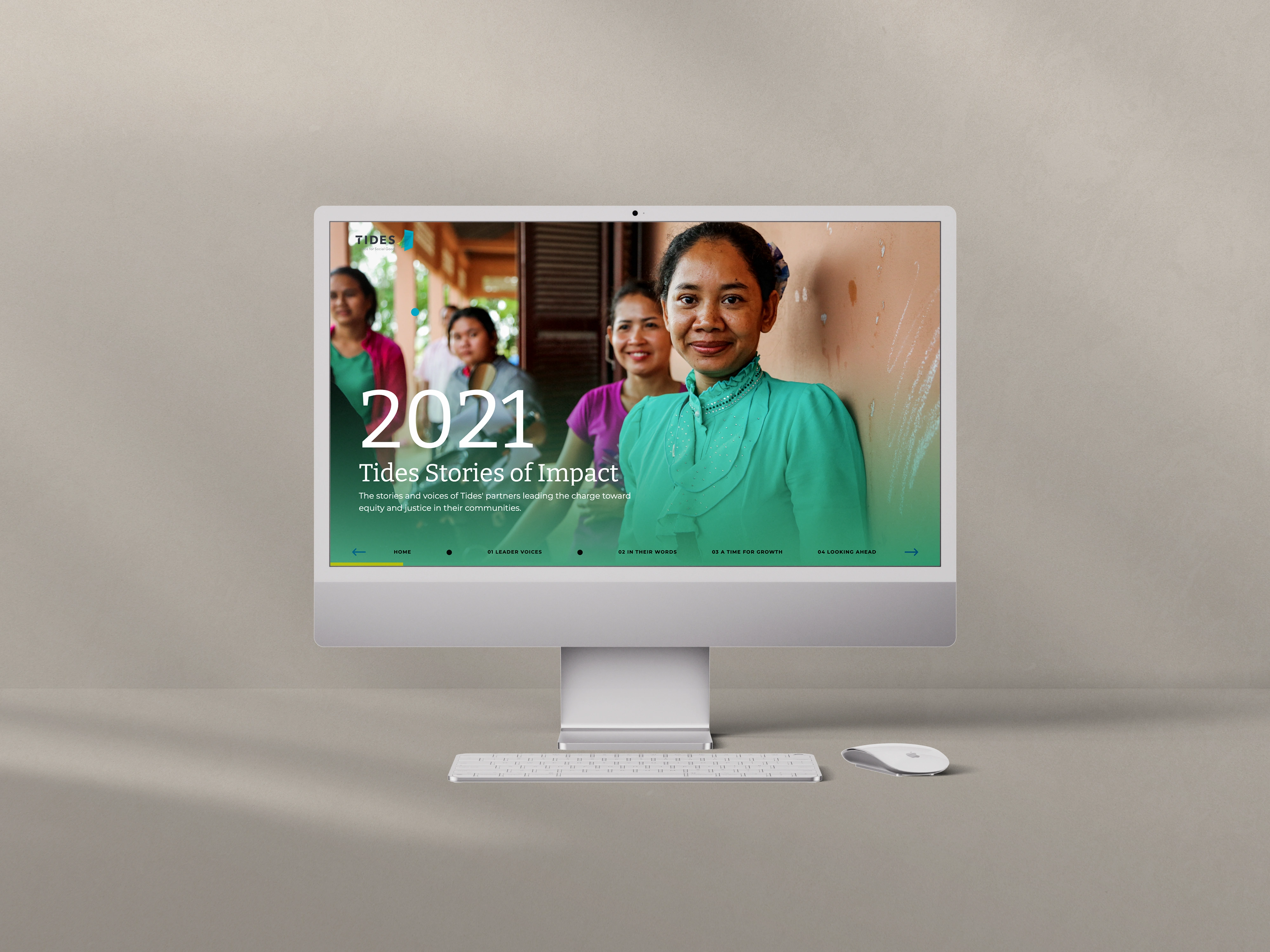
Tides wanted annual impact storytelling that lived online as an experience, not a PDF. Three microsites later, they have a digital language of their own.
Client Case Studies
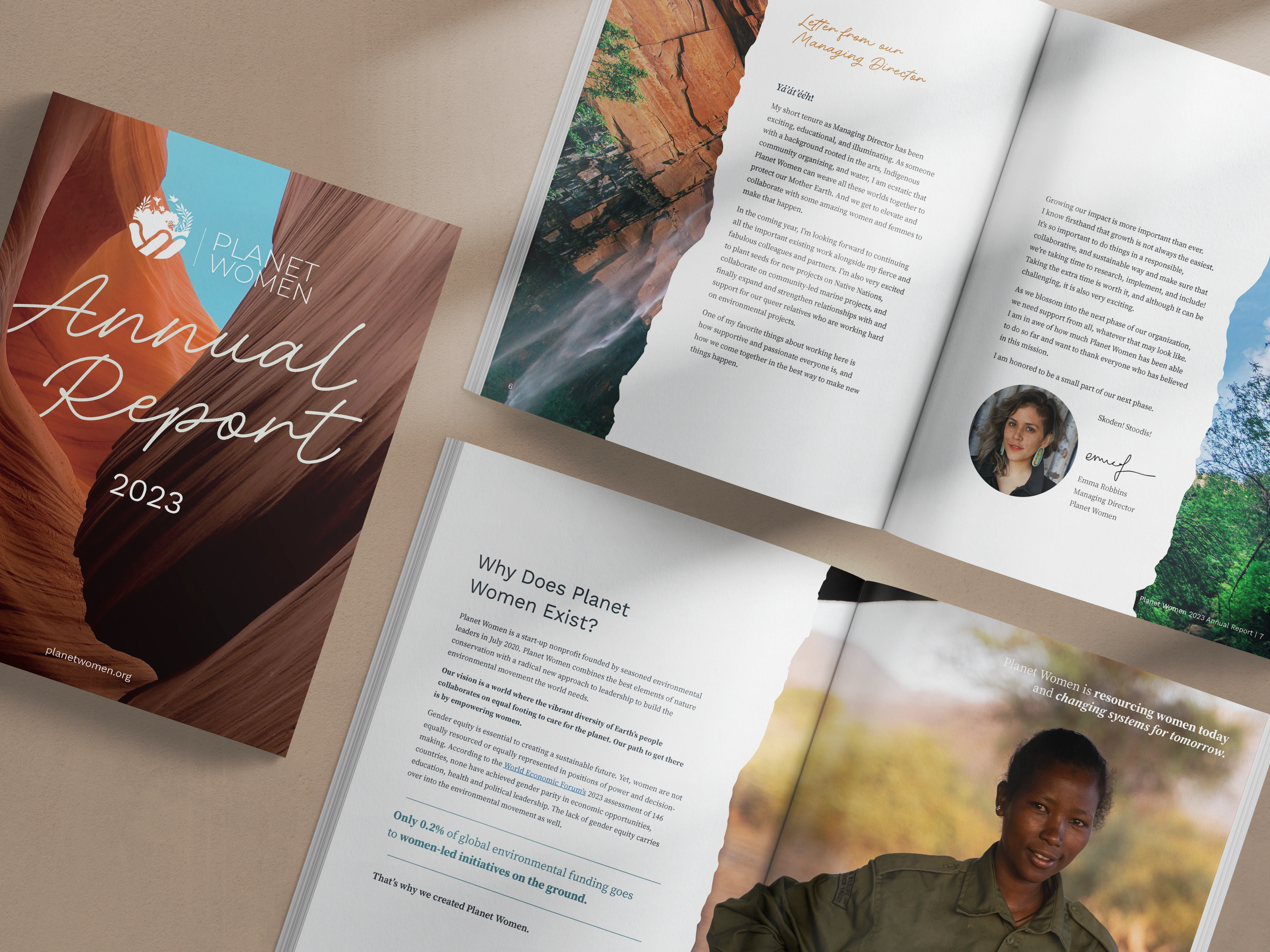
Planet Women needed a year-three report that matched their values and kept earning after launch week. Here is how it became a year-round asset.
Client Case Studies
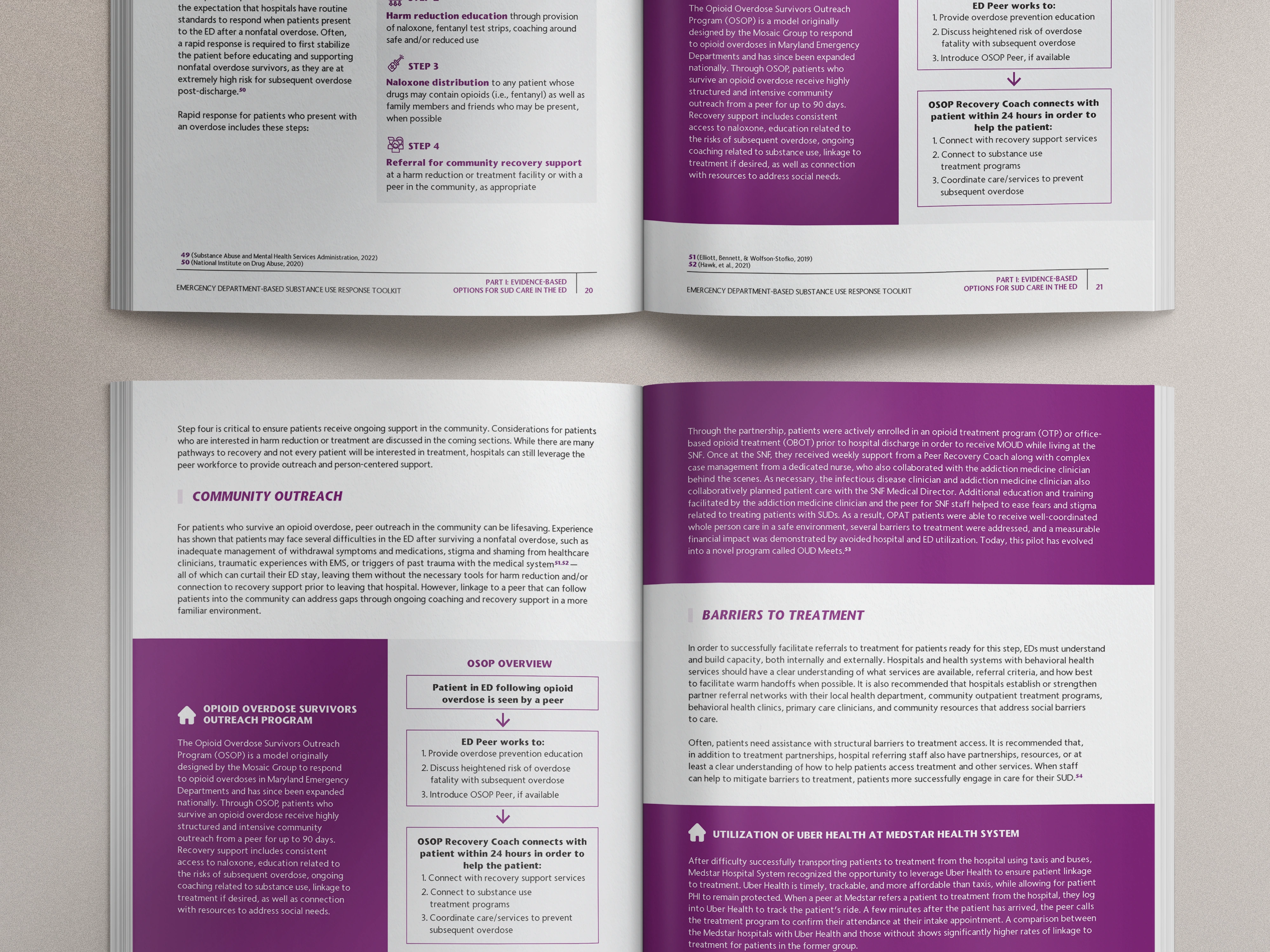
NACCHO had an overdose-response toolkit full of careful research and a format that slowed readers down. Here is how it became a field resource.